
From working charedim to Torah-based career programs and new IDF frameworks, Rabbi Leibel is building a path for charedim to remain deeply committed while facing the realities of modern Israeli life.
It is no secret that Israel’s charedi community has been under deep internal strain for years, even before October 7. The internet, smartphones, and social media challenged the community’s traditional insularity, while the demands of modern employment made those tools increasingly difficult to avoid.
At first, the response from much of the leadership was to ban these technologies outright. Over time, however, an uneasy compromise emerged: digital tools could be used for “work purposes.” That limited opening had consequences far beyond the workplace.
It helped create a new kind of charedi reality. Many young men, bright, resourceful, and capable, realized they could not remain in kollel indefinitely while relying on their wives to carry the full burden of both motherhood and financial support. Without formal secular education, many began pursuing intensive training so they could support their families with dignity.
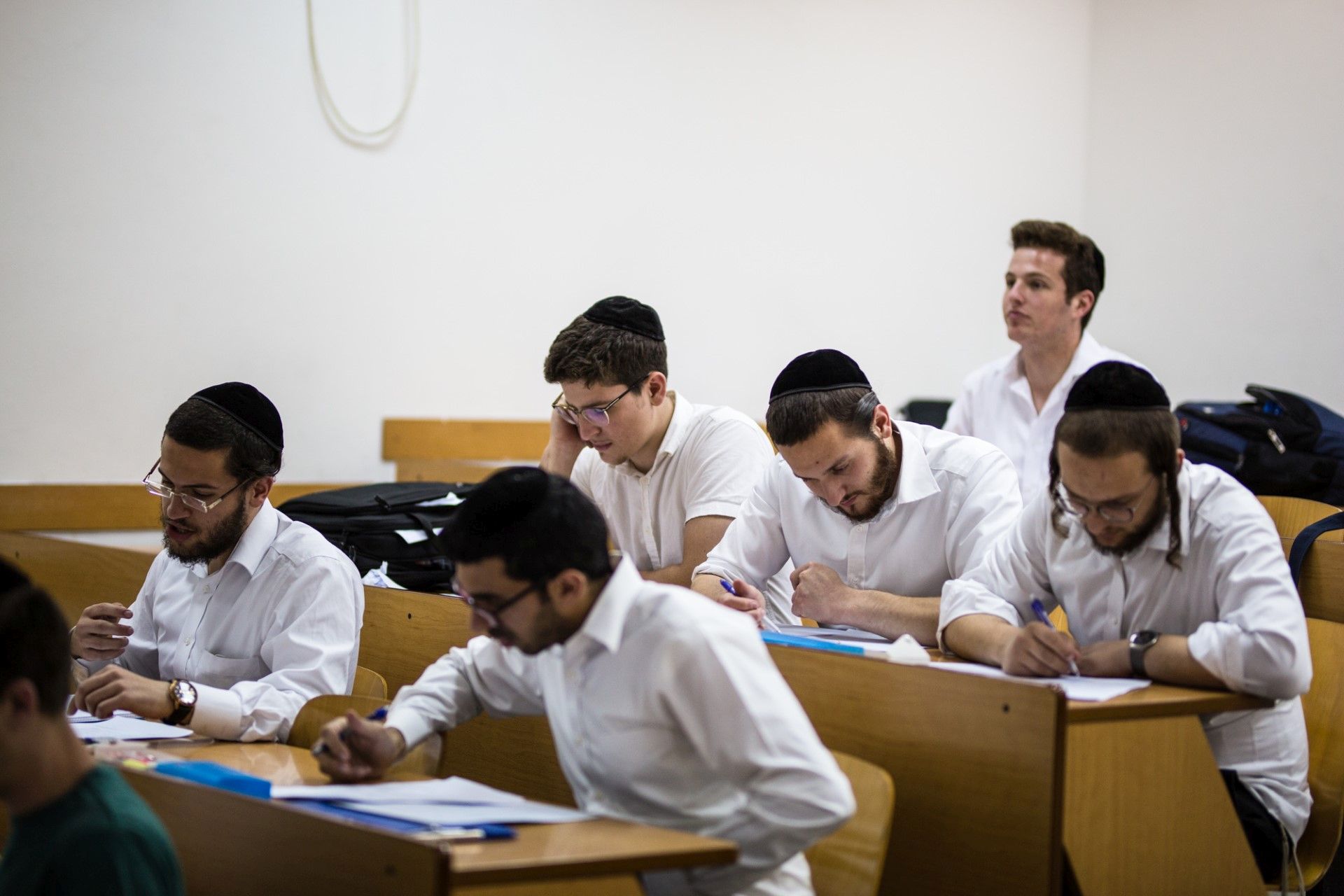
They were trying to remain charedi, remain committed to Torah, and still provide for their families. But many found themselves pushed to the margins of the very community they wanted to remain part of.
For many working charedim, financial progress came with painful social consequences. Their children were sometimes refused entry to schools and seminaries. They were viewed suspiciously in shuls and kollelim. Shidduchim became more complicated. In too many cases, men who wanted to continue learning Torah found that there was no place for them.
The result was more than social isolation. It became a spiritual crisis. Men who had left kollel to support their families often found themselves treated as second-class citizens, and some slowly lost their connection to regular Torah study and communal religious life.
Join The Achvat Torah WhatsApp Group
The Unlikely Leader
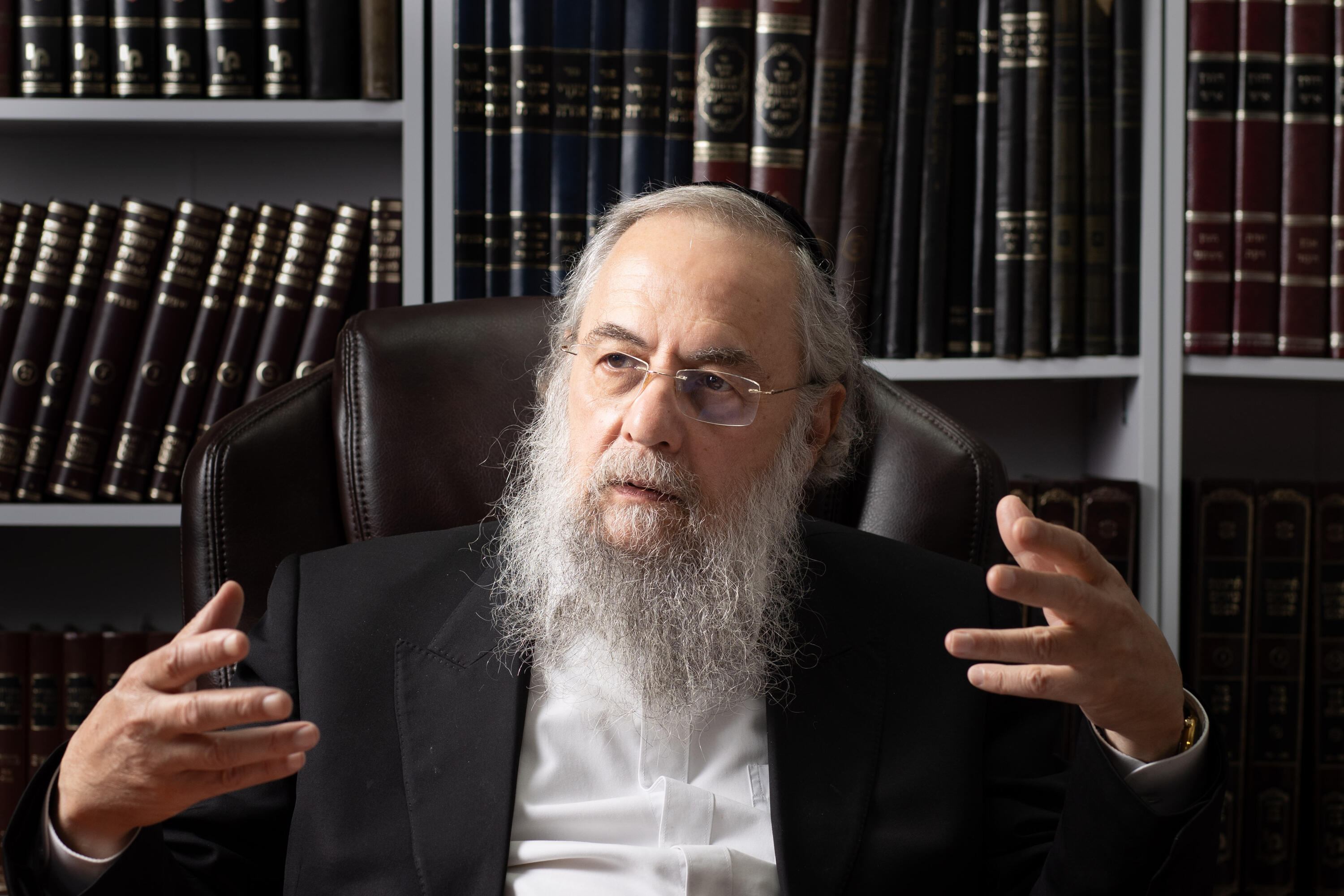
Into that void stepped Rabbi David Leibel. At first glance, he seemed like an unlikely figure to champion the cause of working charedim. A talmid chacham and rosh kollel, educated in Gateshead and Ponovezh, Rabbi Leibel came from the classic world of full-time Torah scholarship. He supported kollelim, gave shiurim, and spent much of his life immersed in learning.
But what he saw in the charedi world troubled him deeply. Families were struggling financially. Many children were growing up without the basic educational tools needed to earn a livelihood. And within the kollel world itself, Rabbi Leibel saw that not every avrech was built for a lifetime of full-time learning.
He also saw the pain of those who had already entered the workforce. One working charedi told him that he could not find someone willing to learn with him in his spare time. That moment captured the larger problem: these men were not looking to leave Torah behind. They were looking for a framework that would allow them to keep Torah at the center of their lives.
Achvat Torah: Restoring Honor
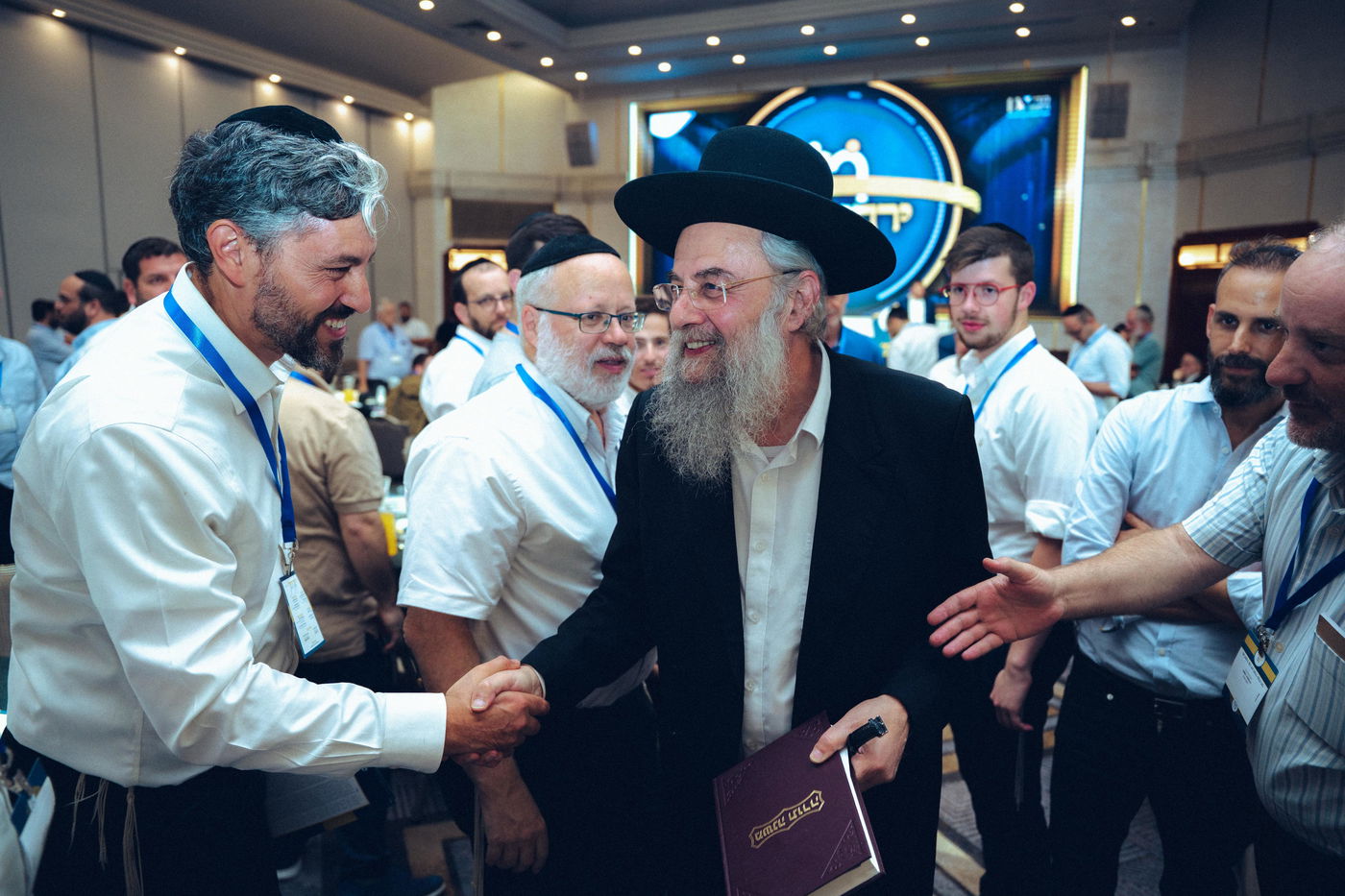
About 15 years ago, Rabbi Leibel founded a kollel for working charedim. It soon grew into Achvat Torah, a broad network of study groups and communities designed to give working men serious Torah learning, communal belonging, and perhaps most importantly, honor.
“
Everyone needs everyone. The working person needs the avrech, and the avrech needs the working person.
That sentence became a defining idea in Rabbi Leibel’s movement. He was not merely creating programs. He was reframing the relationship between the beis midrash and the workplace. The working charedi was not an outsider. He was part of the Torah community, with a role, a responsibility, and a dignity of his own.
From Torah Learning To Career Pathways
Rabbi Leibel’s next initiatives expanded that philosophy into practical programs. Avratech was created for avreichim who wanted to transition into high-tech while maintaining a serious daily Torah schedule. It combined secular training, professional preparation, and a morning kollel structure.

For those not suited to high-tech, Rabbi Leibel created L’Ovda, a program focused on practical trades such as electrical work and electronics. It followed the same basic model: Torah in the morning, professional training afterward, and a framework that allowed participants to remain fully within charedi life.
Rabbi Leibel’s approach was not to pull people out of charedi society. It was to build frameworks that allowed them to earn a living, serve the public good, and remain charedi from the inside.
Join The Achvat Torah WhatsApp Group
October 7 And A New National Crisis
Then came October 7. The Hamas massacre, the hostage crisis, and the prolonged war shook Israeli society to its core. Reservists spent hundreds of days away from home. Families were shattered. Soldiers from across Israeli society were killed or wounded.
The war also forced the question of charedi participation in the national burden into the center of Israeli life. The IDF needed manpower. The charedi community insisted that any service framework would have to protect religious standards. For years, the two sides had been unable to produce a solution that could be trusted by serious charedim.
Rabbi Leibel was deeply troubled by both sides of the crisis: the desperate need of the army and the pain of soldiers and bereaved families, but also the legitimate concern that charedi recruits could be spiritually weakened in a secular military environment.
Chashmonaim: A Charedi Framework For Service
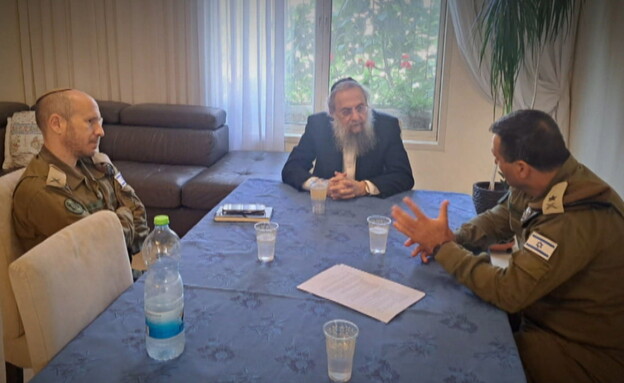
The answer, in Rabbi Leibel’s view, was not simply to draft charedim into existing army structures. It was to create a new framework altogether: a unit fully separated from regular IDF bases, with no women on base, religious officers, serious daily Torah study, and an explicit goal that soldiers would “go in as charedim and exit as charedim.”

After extensive meetings with senior IDF officers, the Chashmonaim framework began taking shape. It was designed for genuine charedim, not as a compromise that would erase their identity, but as a structure that would preserve it.
By the beginning of 2026, after the new military command regulating the framework was ratified, hundreds of soldiers had already undergone training in the new unit and were beginning to distinguish themselves.

Opposition, Threats, And A Wider Movement
The initiative also placed Rabbi Leibel at the center of a bitter communal storm. Extremist elements, including the Jerusalem Faction, saw his work as a dangerous breach. Demonstrations escalated, and at one point, Rabbi Leibel and his family were forced to barricade themselves inside their Bnei Brak home as protesters gathered outside.
Eventually, he moved his family to a quieter setting in Jerusalem, where he could continue his work without the same level of direct threat.
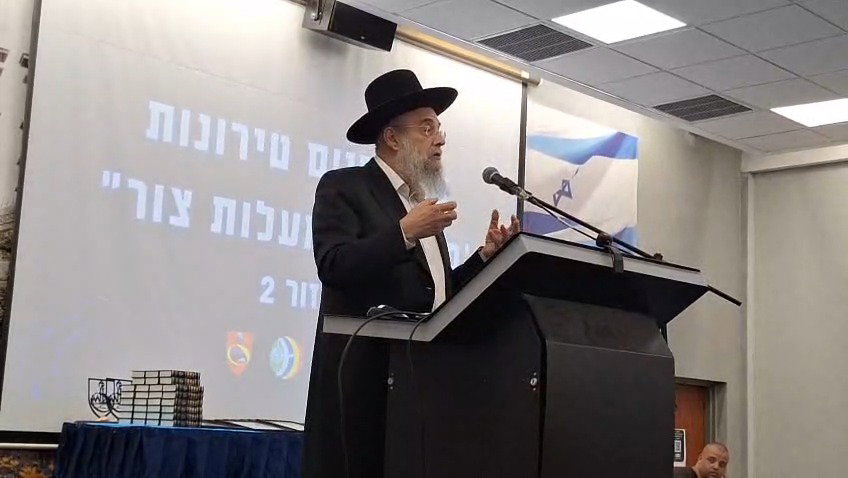
At the same time, additional tracks began developing. Kodkod connected charedim with elite military intelligence opportunities. Maalot Tzur created a path for technically trained charedim, including those from L’Ovda, to serve in units that could use their skills. These programs reflected the same core idea: service, livelihood, and Torah life do not have to be mutually exclusive.
Join The Achvat Torah WhatsApp Group
The Deeper Question
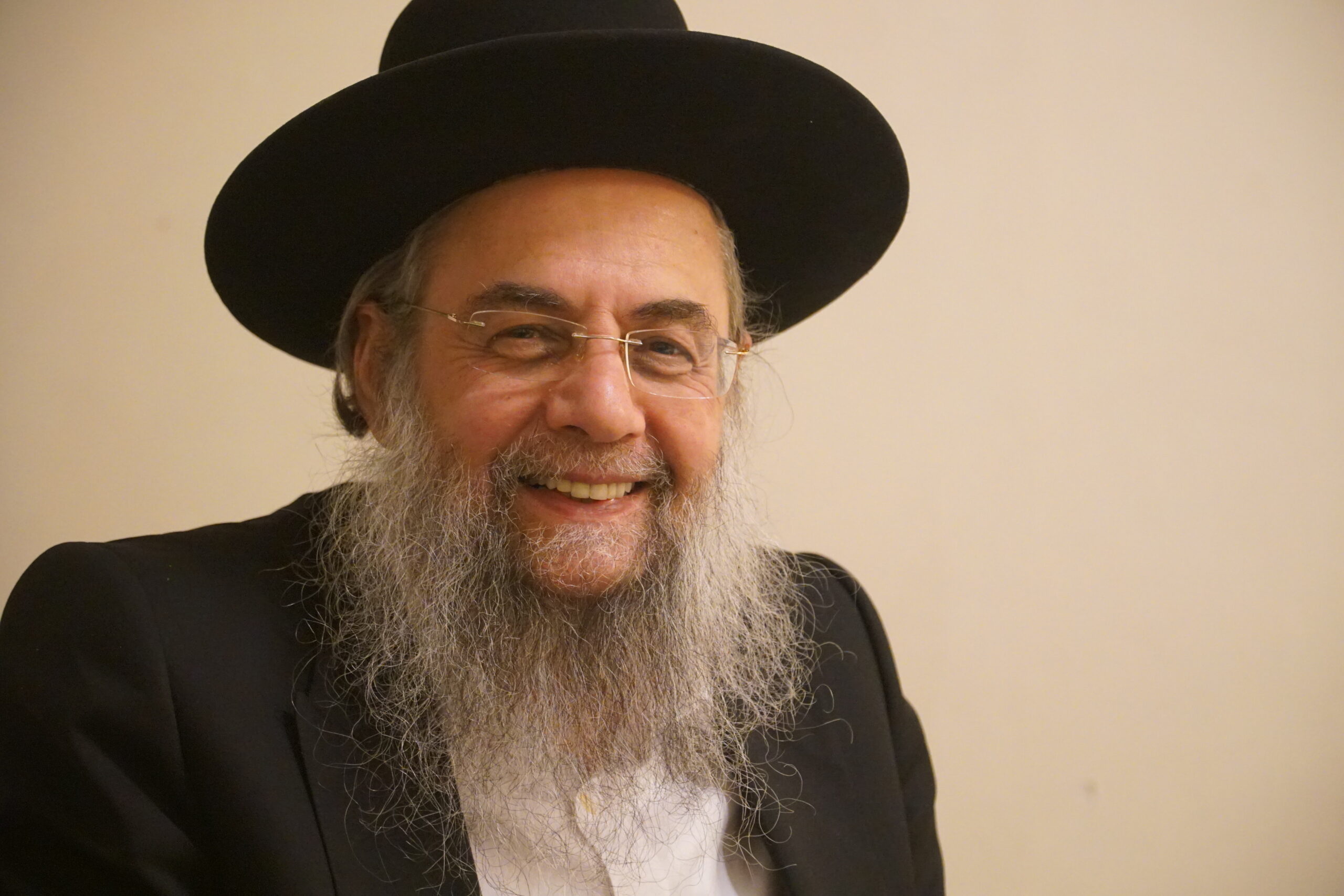
Rabbi Leibel’s critics argue that his programs could weaken the traditional yeshiva world by drawing away capable students. Rabbi Leibel sees it differently. In his view, the strongest yeshiva students should be able to rise higher, while those who are not built for full-time learning should be given honorable, structured paths that keep them connected to Torah.
That is what makes his movement so significant. It is not merely about jobs. It is not merely about army service. It is about whether charedi society can create room for different kinds of serious Torah lives without forcing people into spiritual exile.
Rabbi Leibel’s answer is clear. A charedi man can learn, work, serve, build, and still remain fully rooted in Torah. The challenge now is whether the broader community will make space for that vision.
A Philosophy Beyond Politics
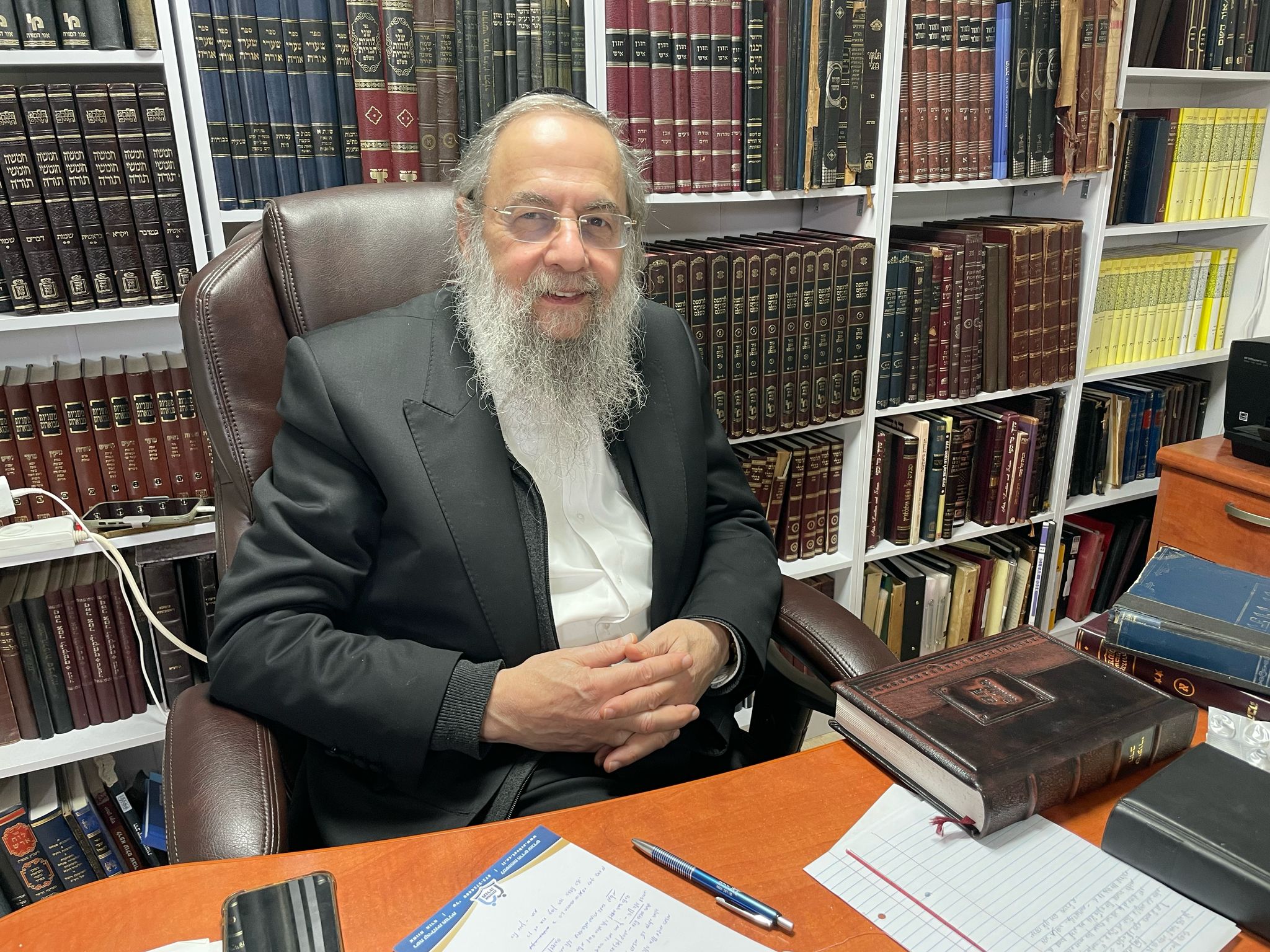
Throughout his work, Rabbi Leibel has repeatedly emphasized that his motivations are not ideological in the Zionist sense. He frames his initiatives not as political projects, but as practical and halachic responses to realities that already exist.
In public letters and speeches following the outbreak of the war, Rabbi Leibel stressed that while Torah learning provides spiritual protection, communal responsibility cannot be ignored. He argued that mitzvos such as visiting wounded soldiers, comforting bereaved families, and helping protect fellow Jews are themselves part of the Torah obligation.
On October 8, while much of the country was still reeling from the shock of the Hamas massacre, Rabbi Leibel traveled south to meet soldiers near the front lines. He embraced them, encouraged them, and sought to strengthen their morale at a moment of national trauma.
“Torah protects and saves,” Rabbi Leibel argued, applies on an individual level. But communal responsibility still requires participation, compassion, and support for those carrying the burden of war.
That position placed him at odds not only with extremist factions but also with many mainstream voices in the charedi world who feared that sympathy toward soldiers could eventually normalize large-scale enlistment.
Yet Rabbi Leibel insisted the crisis demanded practical solutions rather than slogans. The Chashmonaim brigade was his attempt to create such a solution: a military framework that would answer the needs of the state while preserving strict religious standards for its recruits.
Building Entire Communities
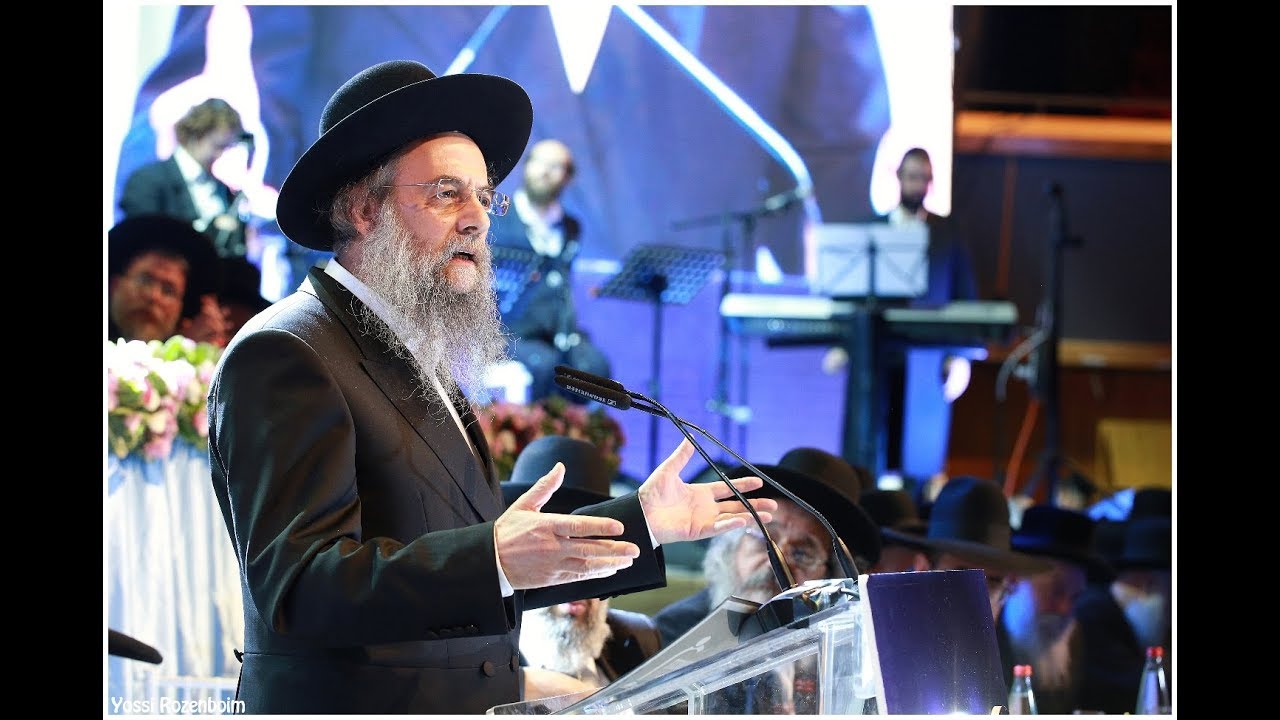
Over time, Rabbi Leibel’s initiatives evolved beyond individual programs and into entire communal ecosystems. Achvat Torah communities developed their own rabbanim, regular gatherings, publications, and support systems. Weekly pamphlets featuring Torah insights and practical discussions circulated among participants, helping foster a shared identity among working charedim who previously felt fragmented and isolated.
The movement also expanded into education. Rabbi Leibel became increasingly focused on the future of children growing up in working charedi households, particularly the need to provide stronger educational foundations while maintaining a fully charedi atmosphere.
His Mesivta framework reflected that broader vision. Students could pursue academic degrees and professional preparation while remaining immersed in Torah study and a charedi environment. Rather than seeing secular skills and Torah identity as mutually exclusive, Rabbi Leibel sought to integrate the two within carefully designed frameworks.
By early 2026, more than 300 soldiers had already passed through the Chashmonaim framework, while Kodkod had integrated hundreds of charedim into elite intelligence programs. Maalot Tzur had similarly helped technically trained avreichim utilize their professional abilities within military frameworks suited to their lifestyle.
For supporters, these numbers represented something larger than successful programs. They signaled the emergence of an entirely new model of charedi participation in Israeli society, one that still viewed Torah as central but no longer assumed that every man must fit into the same lifelong framework.
Join The Achvat Torah WhatsApp Group
A Community At A Crossroads
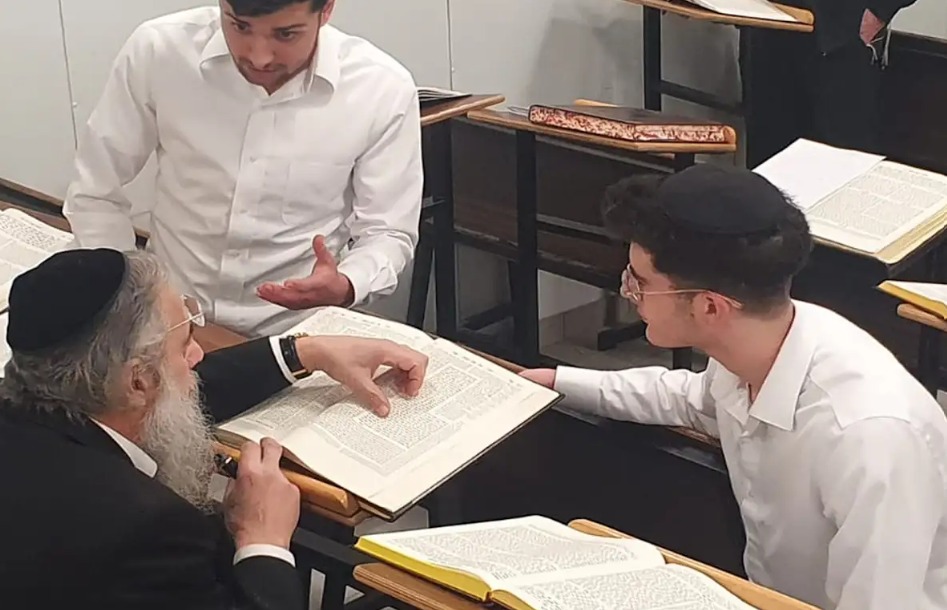
The broader debate surrounding Rabbi Leibel ultimately reflects a much deeper question facing the charedi world itself. Can a rapidly growing community sustain an economic model in which large portions of the population remain outside the workforce indefinitely? Can serious Torah commitment coexist with broader participation in Israeli civic and economic life? And can alternative frameworks emerge without being seen as existential threats?
For decades, these questions remained largely theoretical. Demographic growth, political protection, and communal conformity allowed the system to continue functioning despite mounting pressure. But the combination of economic strain, technological change, and the national trauma following October 7 has accelerated those tensions dramatically.
Rabbi Leibel’s movement is significant not simply because of the institutions he created, but because it attempts to answer those questions from within the charedi world itself rather than from outside critics.
Whether his vision ultimately reshapes mainstream charedi society or remains a niche alternative is still unclear. But one thing is already evident: a growing number of charedim are searching for frameworks that allow them to remain deeply committed to Torah while also engaging with the economic, technological, and national realities surrounding them.
Rabbi Leibel has spent the last fifteen years trying to build those frameworks. In doing so, he may have quietly launched one of the most consequential social experiments in modern charedi history.